Dog obedience training in Calgary should begin with a clear description of what you and your dog need help with. Puppy foundations, loose-leash walking and difficulty coping around other dogs are different problems. A class that suits one household may be the wrong environment for another.
This guide compares published training options and practical enrolment questions. It does not promise a particular result or replace an individual assessment of a dog's behaviour.
Calgary dog training options
Metropawlitan: group and individual formats
Metropawlitan Dog Training lists puppy, adult obedience, private, virtual and specialist programs. At the time checked, its service listings showed adult basic obedience at $300 and puppy socialization and obedience at $400.
Those are specific advertised programs, not a Calgary average. Confirm the number and length of sessions, eligibility requirements and current fee before comparing them with another provider's course.
Petfinity: puppy and progressive group courses
Petfinity's group training page lists puppy programs, core canine obedience, intermediate obedience and other focused classes. This gives owners a way to ask about a progression rather than treating training as a single isolated booking.
Ask the team which course fits your dog's age, previous experience and comfort around others. A course name alone does not tell you whether the environment is appropriate for a dog that barks or lunges at nearby dogs.
K9 Fun Centre: another local comparison
K9 Fun Centre publishes class and private-training information. Include it when comparing schedules and learning formats, and request the current curriculum directly.
For any provider, ask who will teach the sessions and how much individual attention is available. Availability, instructor assignment and course terms can change between intakes.
Group classes or private lessons?
Group classes give owners an organized schedule and opportunities to practise around controlled distractions. They can suit dogs ready to work in that setting and people who learn well by watching demonstrations.
Private instruction lets a trainer focus on one household and its environment. It may be useful when schedules are difficult, the goals are specific, or a trainer recommends individual work before joining a group. Clarify whether sessions happen at a facility, at home or elsewhere, and whether travel is extra.
Do not compare only the total price. Divide the fee by the number of sessions, then consider session length, class size, support materials and the amount of direct instruction. A cheaper course with a large group may offer a different experience from a smaller class.
Ask about methods before paying
Have the trainer explain how new skills are taught, what equipment is used and what happens when a dog struggles. Ask for an approach you understand and are comfortable practising at home. Broad promises such as “guaranteed obedience” are less useful than a concrete explanation of the work involved.
Describe any history of biting, intense fear or reactions around people and animals before attending. Ask whether the trainer is equipped to handle that situation and whether veterinary input is appropriate. A general beginner class should not be assumed suitable for every behavioural concern.
The most useful consultation leaves you understanding what progress could look like, how it will be assessed and what you need to do between appointments.
What should a course include?
Request the curriculum and check that it addresses your goals. Typical questions concern attention, settling, recall, leash skills and everyday manners, but providers organize programs differently.
Ask about homework, written resources, missed sessions and follow-up questions. A class is only part of the commitment: owners need a realistic practice routine between meetings. Everyone in the household should understand the agreed cues and expectations.
Also ask about vaccination and health requirements, cleaning procedures, separation between dogs and what to bring. Follow the provider's instructions rather than arriving with equipment that may not be permitted.
Make training fit your Calgary routine
Choose a location you can reach consistently at the scheduled time. A cross-city drive after work can turn a manageable program into a stressful commitment. Check parking, arrival instructions and whether you should wait outside until called in.
If you work from shared premises, ask about animal policies before bringing a dog. Our Calgary coworking guide covers workspace questions, but a listing does not imply that pets are allowed.
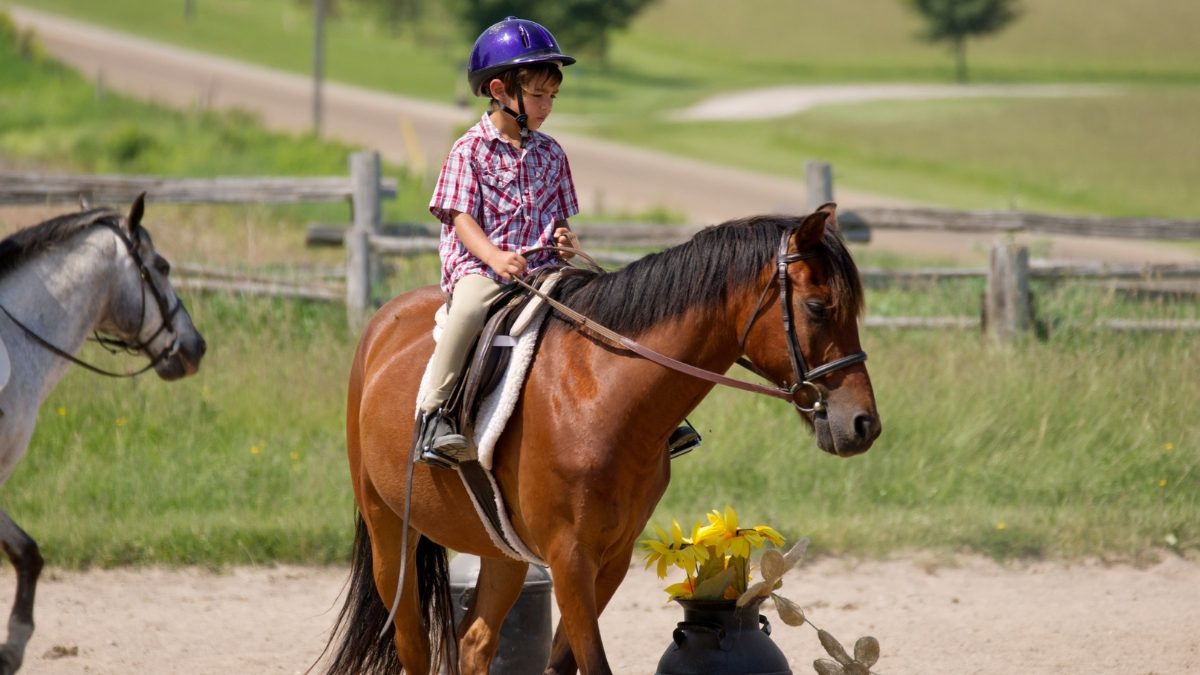
Households exploring other animal activities can also read our horse riding lessons guide. The providers and skills differ, but class size, experience matching and clear instructions matter in both settings.
Booking checklist
Send two or three providers the same short description of your dog's age, experience, goals and any concerns. Ask which program they recommend and why, then compare the full course price and terms.
If you plan to meet friends after class, our Calgary brunch guide can help with a separate outing. Verify pet policies directly and arrange appropriate care for the dog rather than assuming restaurant access.
Choose a program you can attend and practise consistently. Clear expectations and a suitable learning environment are more useful than choosing the shortest course or the strongest marketing claim.